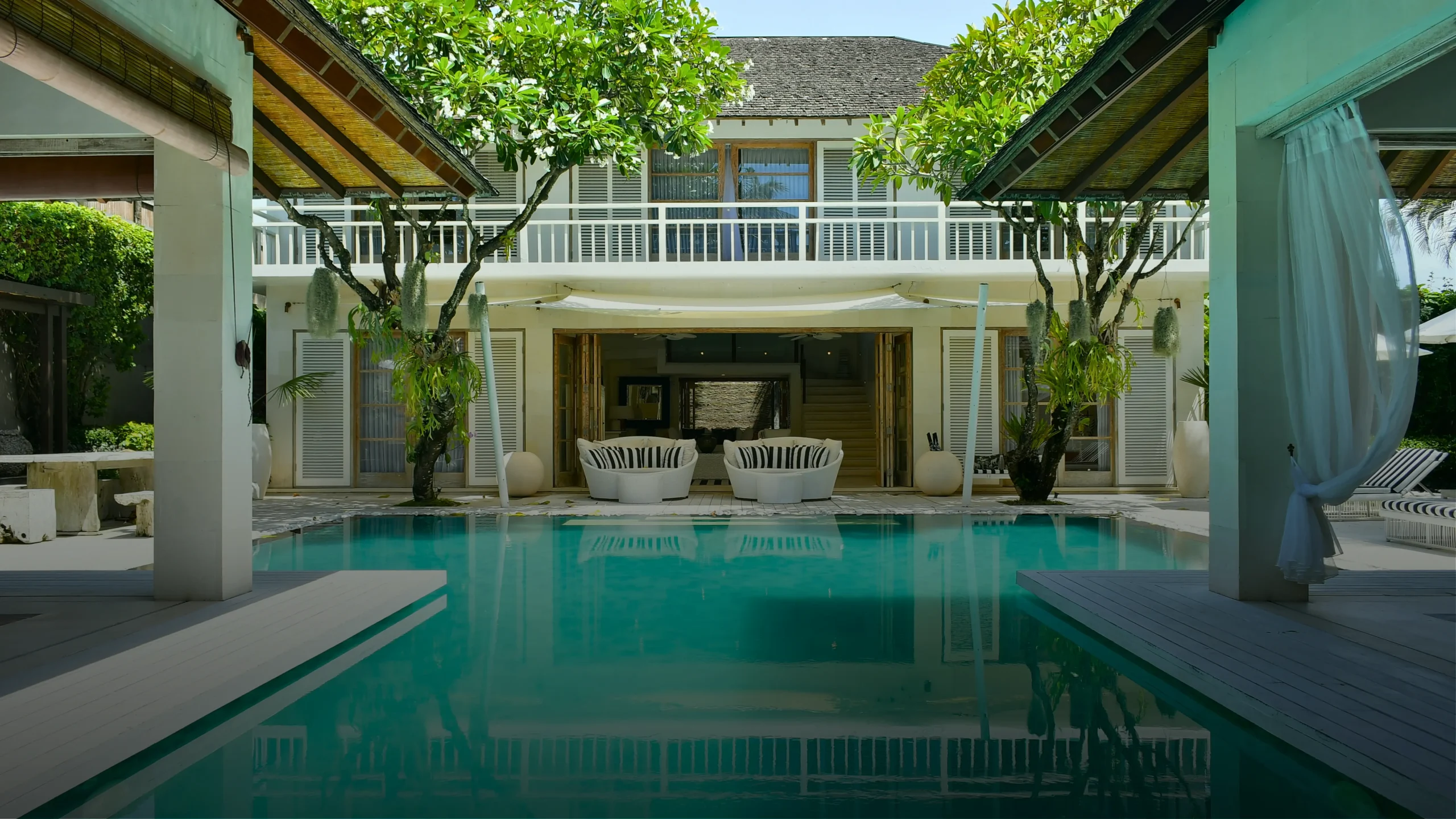
Where Smart Investors Are Buying Bali Property Right Now
Bali’s property market continues to attract global investors looking for more than just lifestyle. In 2026, buyers are entering the market for one reason above all: performance.
Compared to major global cities, Bali still offers relatively low entry prices, high rental demand, strong tourism growth, and one of the most attractive lifestyle-investment combinations in Southeast Asia. While traditional property markets face slower growth and compressed yields, Bali continues to stand out as a high-demand hospitality-driven real estate market.
For investors searching for the best areas to buy property in Bali, the answer depends on investment goals. Some areas are optimized for short-term rental income, others for long-term appreciation, and some for lifestyle-led ownership with future upside.
Here’s where investors are focusing in 2026.
Why Bali Property Demand Keeps Growing
Bali is no longer viewed as just a tourism destination. It has evolved into a global remote-working hub, luxury lifestyle market, and international investment destination.
Several factors continue driving Bali property investment demand:
- Rapid tourism recovery and continued international arrivals
- Growth of luxury hospitality and branded residences
- Expansion of remote work and digital nomad migration
- Increasing infrastructure development across Bali
- Strong demand for short-term villa rentals
- Lower acquisition costs compared to Phuket, Dubai, or European coastal markets
This combination creates an unusual market dynamic: lifestyle demand directly fuels rental performance.
For many investors, Bali property offers something increasingly rare in global real estate markets:
- Capital appreciation potential
- Passive income opportunities
- Lifestyle usability
- Lower entry barriers
And naturally, humans discovered that working beside rice fields while pretending spreadsheets are “freedom” somehow feels better than commuting through grey concrete. Evolution is weird.
Get Expert Guidance on Bali Property InvestmentCanggu: Bali’s Strongest Rental Market
Why Investors Continue Buying in Canggu
Canggu remains one of the most competitive and high-performing property markets in Bali.
Known for its beach clubs, cafes, coworking culture, wellness scene, and international community, Canggu attracts:
- Digital nomads
- Entrepreneurs
- Long-stay tourists
- Young affluent travelers
This creates year-round rental demand across both short-term and medium-term stays.
Investment Highlights
- Strong occupancy rates
- High nightly rental pricing
- Excellent liquidity for resale
- Continuous infrastructure growth
- Large international buyer demand
Best For
- Short-term rental income
- Airbnb villa investments
- Lifestyle-driven investors
- High occupancy strategies
Market Outlook for 2026
While prices in Canggu have increased significantly over recent years, demand continues to outpace supply in premium locations.
Areas such as Berawa, Pererenan, and Padonan remain particularly attractive for investors seeking Bali ROI property opportunities.
Uluwatu: Bali’s Luxury Growth Corridor
The Rise of Uluwatu Investment Property
Uluwatu has evolved from a surf destination into one of Bali’s fastest-growing luxury property markets.
The area attracts:
- Luxury travelers
- Wellness tourism
- High-spending international visitors
- Long-stay lifestyle buyers
Unlike Canggu, Uluwatu still offers more land availability and stronger long-term appreciation potential in selected areas.
Investment Highlights
- Rapid luxury villa development
- Strong tourism growth
- Ocean-view property demand
- Increasing hospitality investment
Best For
- Capital appreciation
- Luxury villa investment
- Ocean-view developments
- Premium hospitality assets
Market Outlook for 2026
As infrastructure improves and tourism continues expanding in the south, Uluwatu is positioned as one of Bali’s strongest long-term investment markets.
Investors entering early in developing pockets may benefit from substantial future appreciation.
Ubud: Lifestyle and Wellness Investment Hub
Why Ubud Continues Attracting Global Buyers
Ubud offers a completely different investment profile compared to coastal markets.
Known globally for wellness, spirituality, nature, and retreat culture, Ubud attracts:
- Wellness travelers
- Retreat businesses
- Long-term expatriates
- Eco-conscious buyers
Rental demand here is often longer-duration and experience-driven rather than nightlife-focused.
Investment Highlights
- Strong wellness tourism
- Increasing luxury eco-villa demand
- Unique jungle-view inventory
- Stable long-stay market
Best For
- Boutique hospitality
- Retreat villas
- Wellness-focused developments
- Lifestyle ownership
Market Outlook for 2026
Demand for wellness tourism continues growing globally, positioning Ubud as a resilient niche investment market.
Investors focusing on design-led, eco-conscious properties may see strong long-term performance.
Berawa: Premium Positioning Inside Canggu
Bali’s Most Competitive Lifestyle Zone
Berawa has become one of Bali’s most premium residential and hospitality districts.
With proximity to:
- International schools
- Beach clubs
- Restaurants
- Fitness and wellness hubs
- Coworking spaces
Berawa attracts affluent long-term residents and premium travelers.
Investment Highlights
- Premium nightly rates
- High resale demand
- Strong long-term rental market
- Luxury positioning
Best For
- Premium villa investments
- Family-oriented rentals
- Luxury lifestyle assets
Market Outlook for 2026
Land scarcity in Berawa continues pushing prices upward. Investors entering the market now are typically focused on asset quality rather than low entry pricing.
Translation: cheap land is becoming mythology here. Soon locals will tell stories about “affordable Berawa” the same way civilizations talk about Atlantis.
Best Area for Lifestyle Buyers
For buyers prioritizing lifestyle alongside investment potential:
- Canggu offers social energy, cafes, surfing, and international community
- Ubud offers nature, wellness, and slower living
- Uluwatu offers beaches, luxury, and exclusivity
- Berawa offers convenience and premium infrastructure
The best investment often sits at the intersection of lifestyle desirability and rental demand.
Because humans will absolutely pay premium nightly rates to “disconnect from stress” while posting 47 Instagram stories about their healing journey beside a floating breakfast.
Bali Property Market Trends for 2026
Several trends are shaping the Bali real estate market in 2026:
1. Branded Residences Are Growing
Internationally managed projects continue attracting foreign buyers seeking passive ownership structures.
2. Fully Managed Villas Are In Demand
Investors increasingly prefer turnkey assets with professional operations.
3. Luxury Hospitality Is Expanding
High-end tourism growth is driving premium property demand.
4. Infrastructure Is Improving
Road expansion and commercial development continue increasing accessibility across Bali.
5. Lifestyle-Led Investment Is Becoming Mainstream
More buyers are choosing assets that combine:
- Personal use
- Rental income
- Long-term appreciation
Final Thoughts: Where Should You Invest in Bali?
The best area to buy property in Bali ultimately depends on investment strategy.
- Canggu remains dominant for rental income and liquidity
- Uluwatu offers major long-term appreciation potential
- Ubud excels in wellness and retreat-driven demand
- Berawa continues leading the premium lifestyle market
For investors entering Bali in 2026, the strongest opportunities are increasingly found in professionally managed, high-quality assets located within established tourism and lifestyle ecosystems.
As global demand for lifestyle investment destinations continues growing, Bali remains one of the few markets where hospitality, real estate, and personal lifestyle value intersect at scale.
And unlike many overinflated international property markets, Bali still has room to grow. Which means the window is still open. Humans do enjoy waiting until prices double before announcing “I should’ve invested earlier.” A timeless species tradition.